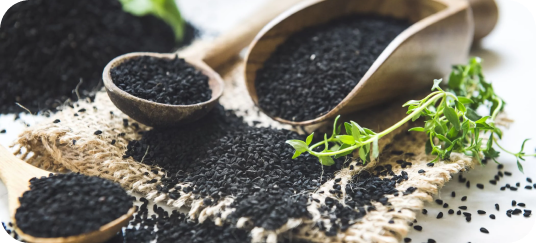
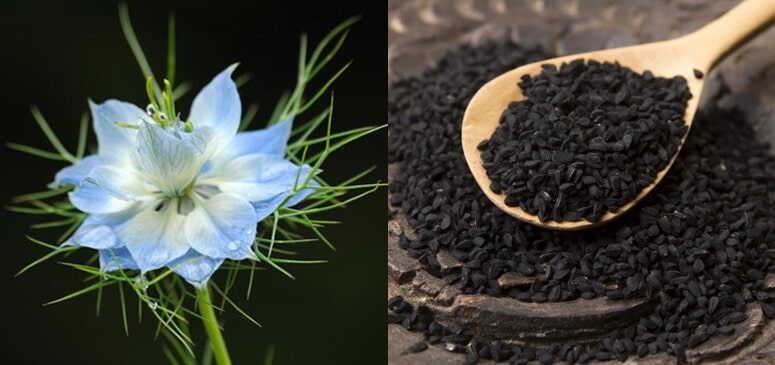
British gardeners and health enthusiasts are increasingly buying whole seeds instead of oil. This is mainly because the seeds are extremely versatile in both the garden and in food. And of course, consuming the seeds in their natural form has a large array of health benefits.
Why British Gardeners Buy Whole Seeds Instead Of Black Seed Oil
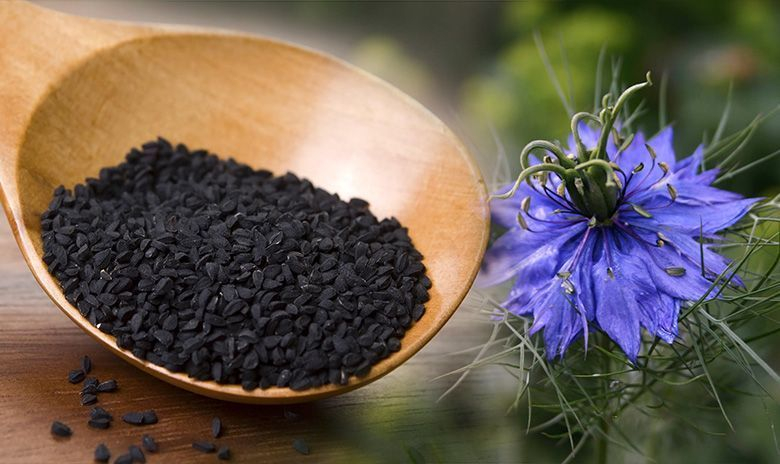
British gardeners buy whole Nigella sativa, i.e. black seeds, for cultivation. They either plant the seeds in garden borders or in dedicated swathes for intended harvesting.
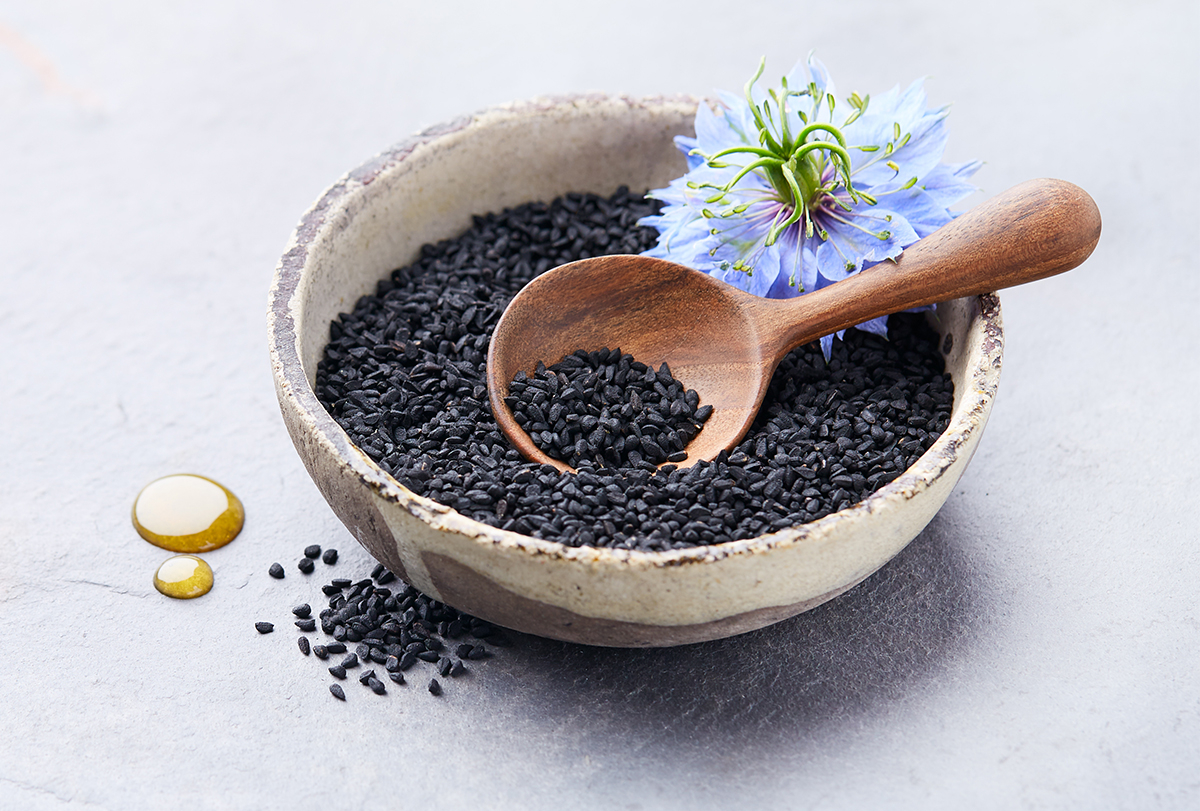
Whether sown in garden borders or in garden areas solely dedicated to Nigella sativa growth, the fine, feathery foliage and attractive flowers are followed by ornamental seed pods. The pods provide your garden with an added visual interest long after the plants no longer bear flowers. It is also these seed pods that can be harvested for their seeds.
Furthermore, the plant with its fern-like leaves creates an attractive effect, especially when sown in drifts. The seeds are also easy to grow as you can sow them directly. An added bonus is that the plant does not really have natural pests that would affect its growth. Nor does it really have any diseases.
Nigella sativa also readily self-seeds. This means that new plants will come up year after year and fill in gaps within your borders. The flowers also attract beneficial pollinators like bees into your garden.
Cooking enthusiasts will also often grow their own Nigella sativa in their garden, knowing that they have a fresh supply for cooking. The seeds give your cooking a complex flavour often described as nutty with notes of onion, oregano, and pepper.
Why Health Enthusiasts Buy Whole Seeds Instead Of Black Seed Oil
While Black Seed Oil contains concentrated amounts of thymoquinone, some people prefer using the seeds. Thymoquinone is one of the active compounds in Black Seed Oil, known for its amazing antioxidant and anti-inflammatory properties. Nigella sativa seeds, however, also contain this compound as well as other nutritional properties.
Nutrient Content
The nutrients found in the whole seeds of the Nigella sativa plant include:
· Proteins
· Essential amino acids like glutamate and arginine.
· Fibre
· Vitamin C
· Vitamin E
· Various B vitamins like thiamine, niacin, and pyridoxine
· Unsaturated fatty acids like linoleic acid (an omega-6 fatty acid) and oleic acid
· Carbohydrates
· Copper
· Iron
· Phosphorous
· Zinc
· Calcium
Culinary Applications
The whole seeds are commonly used in Middle Eastern and Indian dishes. It is added to curries and stews and even used in flatbreads. But these days, their use in food is no longer limited to these regions. Adding the whole seeds to traditional Western cuisine can imbue food with a unique flavour that does not overpower the dish.
Health enthusiasts, while embracing whole seeds in their cooking, have also found that adding them to drinks like smoothies or warm drinks can enhance the benefits of this amazing plant. You can even make a Nigella sativa black seed tea.
To make this tea, simply add one tablespoon of the seeds to a cup of boiling water and steep for about ten to fifteen minutes. Then strain the tea and add a sweetener like honey to taste. You can also add a slice of lemon or milk if you like.
Drinking this tea may support immune health and aid digestion. Plus, you get the added benefits of the seeds’ antibacterial, anti-inflammatory and antioxidant properties.
When cooking with the whole seeds, please note that you enhance their flavour when you dry-roast them before adding them to your food.
Flexibility Of Use
Some high-strength Black Seed Oils have a strong, pungent taste. Whole black seeds provide flexibility of use. You can, for example, use the seeds in your cooking directly. You can also grind them into a powder and add the powder to your favourite smoothie. You could also add the powder to your morning yoghurt. If you like a sweetened yoghurt, simply add some honey or your favourite fruit.
You can also make a black seed infusion. An example of this is a black seed honey infusion. Here, you would add one tablespoon of crushed black seeds to three tablespoons of honey. These infusions will keep well for a few days.
You can either eat the infusion directly once to three times daily. Alternatively, you can add this to your tea or coffee for a healthier drink.
Use Instead Of Black Seed Oil
As mentioned, many people do not like the taste of Black Seed Oil. Others believe that consuming the seed in its raw form combines the nutritional and medicinal qualities of the seeds while adding to the flavour of their favourite dishes. This, they believe, helps to support the body’s natural balance while steadily building the immune system.
A strong immune system may help protect the body against the onslaught of numerous health issues.
Some of the health issues that Nigella sativa whole seeds may help to protect against include:
· Heart issues because it helps to lower blood pressure and balance cholesterol levels.
· Diabetes, due to its ability to regulate blood sugar levels while improving insulin resistance.
· Various allergies because of its antihistamine effects.
· Diverse skin issues, including eczema and psoriasis.
· Liver damage
· Colds and flu because of its antibacterial and antiviral properties.
Tips On Growing And Harvesting Nigella Sativa Whole Seeds
Growing these seeds is relatively easy if you ensure you sow them in the right location. The harvesting process is also easy.
Sowing And General Care
You directly sow Nigella sativa seeds in a sunny to partially shaded well-drained spot in early spring. When sowing, press the seeds into the soil lightly. Keep the soil damp during the germination process. This is around ten to fourteen days.
Once the seeds have germinated and reached a height of about 5cm, you can thin them out to about thirty centimetres apart to give each plant space to spread out and grow.
While you need to regularly water the seedlings initially, they become more drought-tolerant once well-established. You will not have to water them as often.
If your plants are in a windy location, you can consider staking them to prevent them from flopping over. You could also consider providing them with a light organic mulch around their bases and feeding them with a general plant food every few weeks.
Harvesting Your Nigella Sativa Whole Seeds
You can start harvesting your seeds when the seed pods are dry and brown in colour. You will also know they are ready to harvest if you hear the seeds rattling inside when you lightly shake the pods. Another indicator that the pods are ready for harvest is when you notice that the top of the pod starts to crack open slightly.
To harvest your seeds, make sure to do so on a dry day. This will prevent the development of mould while you store them.
You would typically cut the entire stem below the seed pod. You could also pull out the entire plant and hang it upside down in a cool, dark place with adequate ventilation. This will help with the drying process, where the seed pods have not completely dried out. You can tie a black paper bag around the seed pods as well. Doing so will prevent seeds from dispersing all over in the event that the seed pods drop their seeds.
Once your pods are bone dry, you can gently crush them to remove any seeds remaining in the pods. Also, remember to remove any debris from the seeds before storing them. You can safely store them in either a paper envelope or an airtight container in a cool, dark place until needed.
In Closing
Both British gardeners and health enthusiasts are increasingly buying whole Nigella sativa seeds this season.
Gardeners sow the seeds to add a beautiful swath of colour to their garden borders and beds, knowing that once the plants no longer flower, the ornamental pods and feathery leaves still enhance their garden’s beauty.
Furthermore, gardeners and health enthusiasts know of the multitude of benefits these seeds hold. Whether they use it in their cooking, add it to their drinks or make a tea or honey infusion, they can still reap the amazing benefits this seed holds.