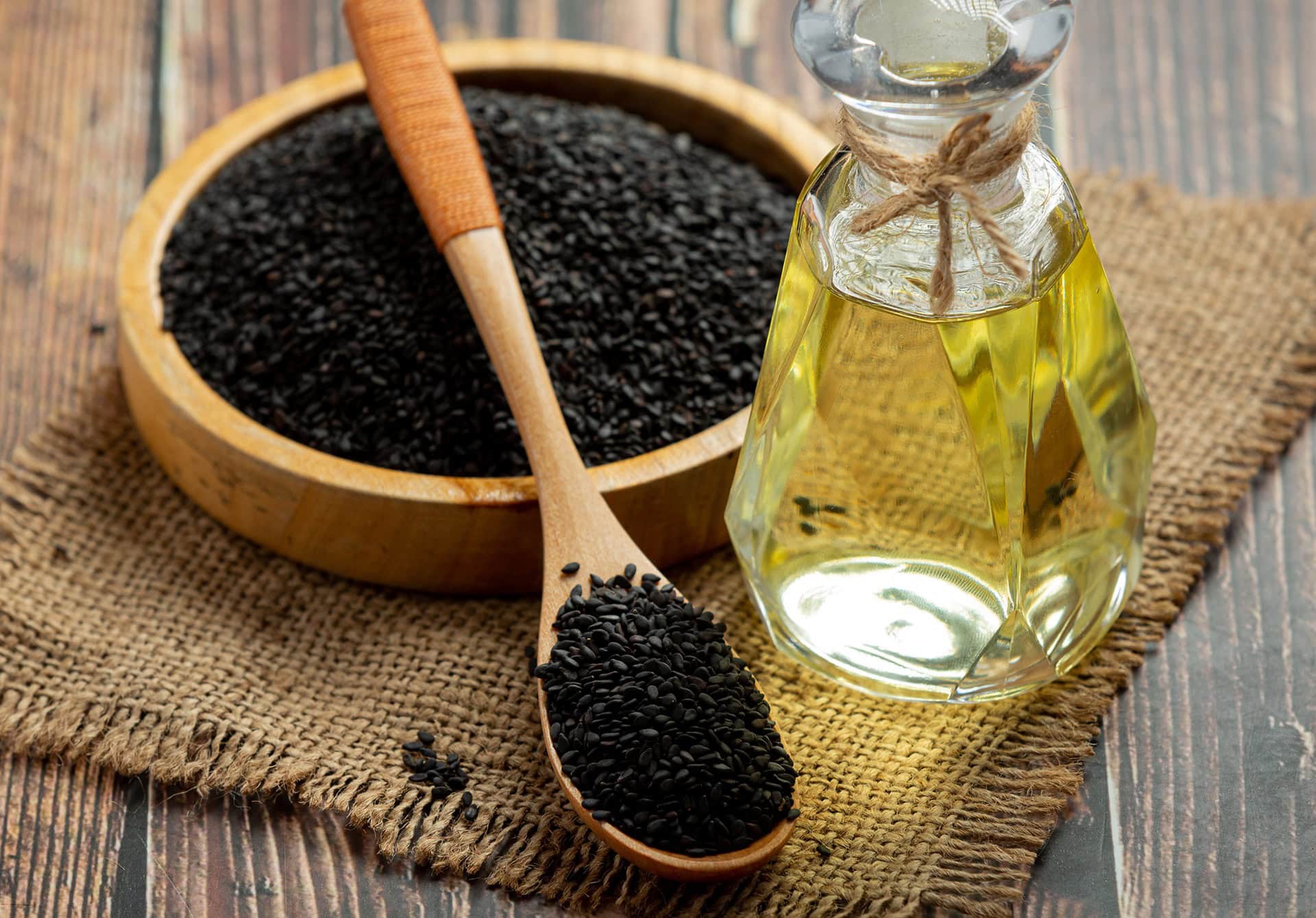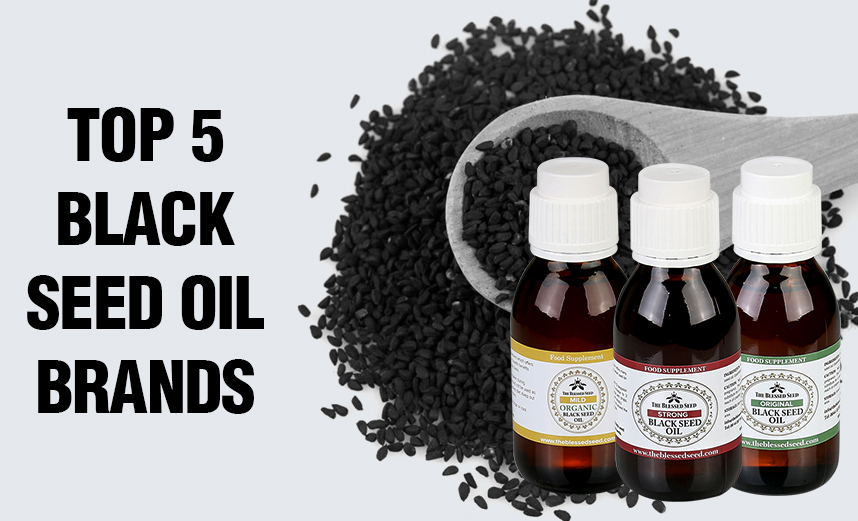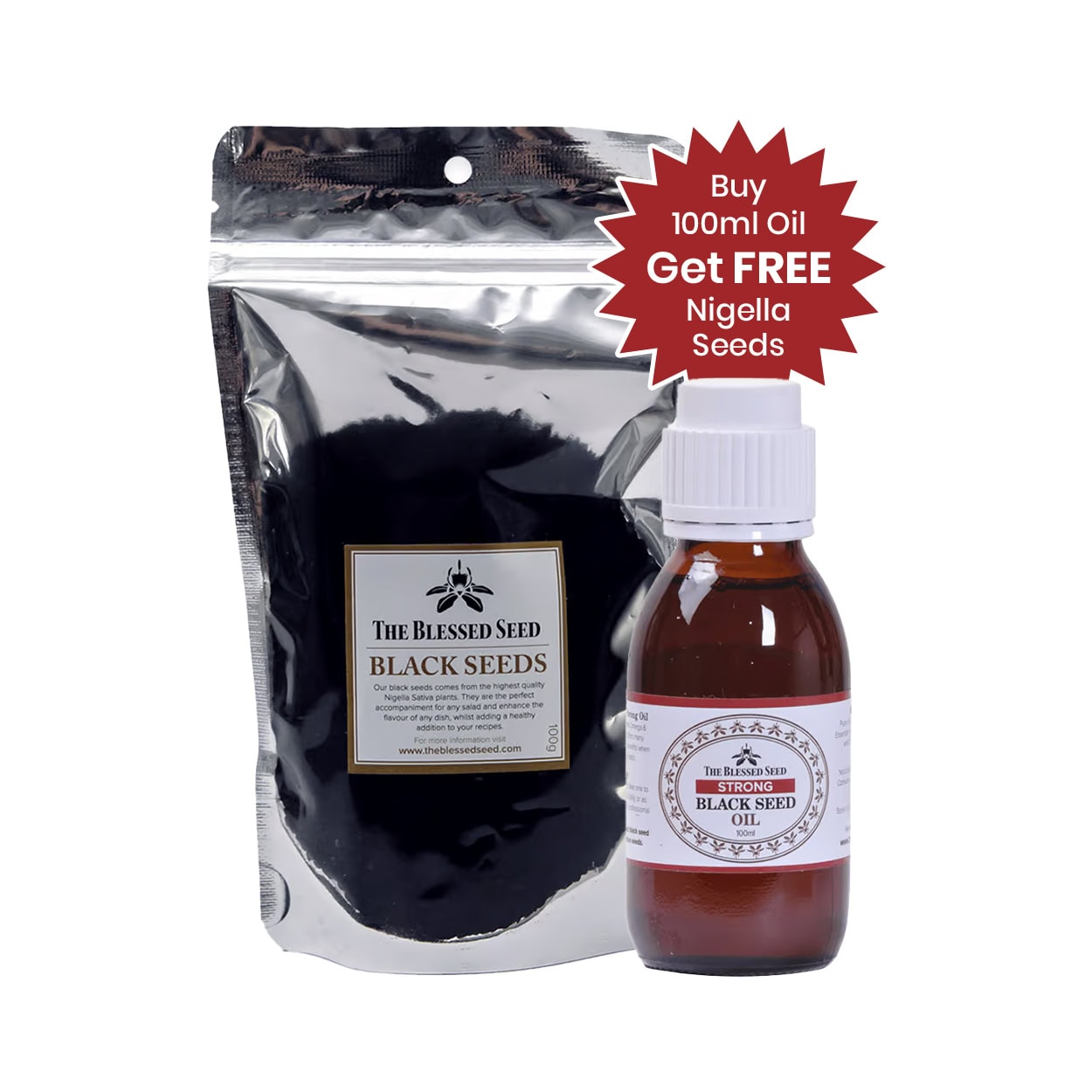
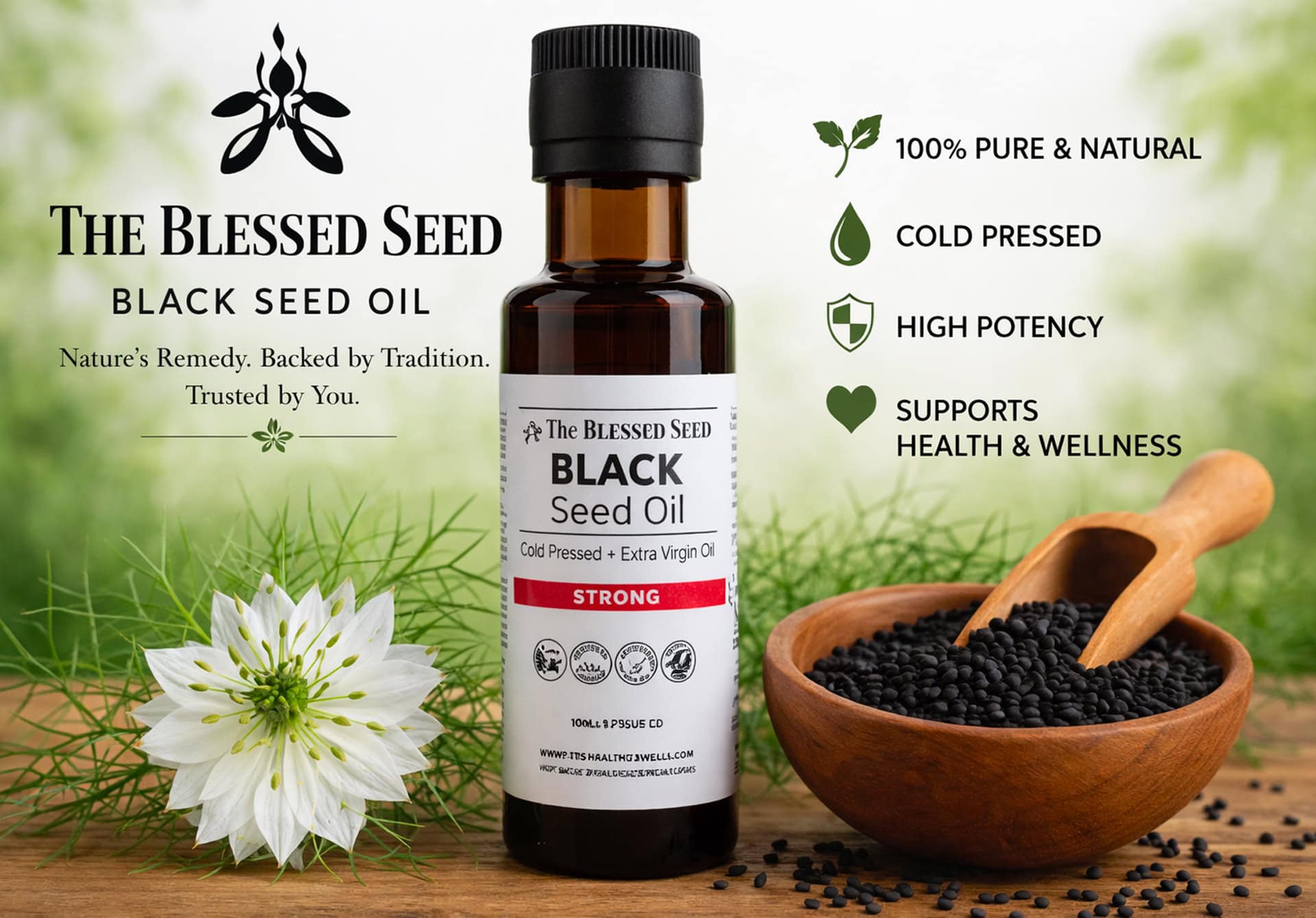
Black Seed Oil has long been known for its amazing health benefits. These benefits, stretching back into antiquity, are why we find Nigella seeds from which the oil is extracted in the tombs of Pharaohs. It has also been used in Ayurvedic medicine. But people in the Middle East and North Africa have not only used Nigella sativa seeds as a form of medicine. They also use it in their daily cooking. This means they reap the benefits each time they consume it in their food.
Interestingly, the Christian Bible also talks about the use of ‘black seeds’, i.e. Nigella sativa seeds. It is referenced in the Book of Isaiah (Isaiah 28:25-27. It is also referenced in the original Hebrew texts as ‘qetsach’
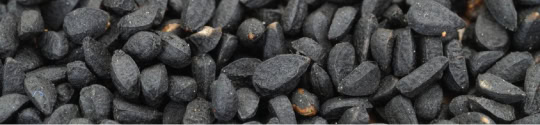
Muslim tradition, however, is very eloquent in its references to black seeds. The Prophet Muhammad, for example, personally highlights the beneficial properties of black seeds by saying Hold on to use this black seed, as it has a remedy for every illness except death”. [1]
Black Seed Oil Benefits: The Modern Scenario
One could arguably state that the ‘modern era’ of medicine began around 1910, when Western universities began moving away from more traditional healing practices and towards a more scientific approach. Many traditional remedies were set aside as practitioners of modern medicine moved towards the use of new manmade medications to help their patients. Many herbal remedies were thus forgotten.[2]
By the 1970’s, synthetic medications far outstripped the use of traditional remedies.
The 1990’s to the present sees things slowly turning around, however. Many people became concerned about the side effects presented by many of these synthetic medications. The World Health Organisation (WHO) even mentions that studies show that many of the traditional remedies act as the source of modern synthetic medications. [3]
One of the traditional remedies showing continued research is Black Seed Oil, an oil derived from the black seeds of the Nigella sativa plant.
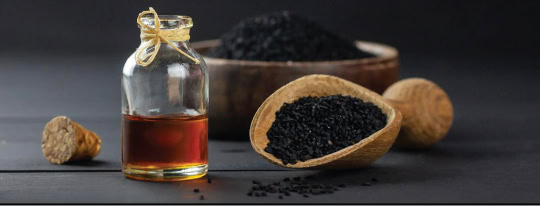
17 Science-Backed Uses of Black Seed Oil
Although Black Seed Oil contains many beneficial compounds, most research focuses on one: thymoquinone. This is because the compound has amazing antioxidant and anti-inflammatory properties, which research suggests may help in managing a wealth of health issues. These include the following:
- Supports heart health
- Provides metabolic support
- Improves your immune system
- Provides respiratory support
- Improves the body’s internal health
- Promotes general well-being
- Supports skin and hair health
We will look at 17 of the health issues people commonly experience in 2026 and the beneficial effects of Black Seed Oil.
- Metabolic Syndrome

The term ‘metabolic syndrome’ refers to several conditions that we tend to find occurring together. They include an increase in your waist circumference (belly fat) and the occurrence of high cholesterol levels, high blood pressure, and high blood sugar levels. Together, these issues could promote heart attack, stroke, and diabetes.
The thymoquinone in Black Seed Oil has lipid-regulating, anti-diabetic, and anti-inflammatory properties that may help address the issues leading to metabolic syndrome. [4]
- High Blood Pressure (Hypertension)
Research indicates that Black Seed Oil may help with blood pressure management. It may help to reduce both the top (first) and bottom (second) numbers in a blood pressure reading.[5]
The top number is your systolic blood pressure, which is the highest pressure your blood places on your artery walls when your heart beats. The bottom number is your diastolic blood pressure, which measures the force exerted by your blood against your artery walls between beats.
Persistently high diastolic and systolic readings may indicate a risk of heart health issues.
- Blood Sugar Levels

Black Seed Oil may help reduce both your fasting blood sugar and HbA1C levels. [6, 7]
Because of this, it may significantly help in the management of health conditions that relate to blood sugar issues like diabetes.
- Cholesterol
Heart health issues may bear a direct link to high cholesterol levels, especially if you have high low-density lipoprotein (LDL) levels. LDL cholesterol, often referred to as ‘bad cholesterol’ is responsible for the buildup of fatty deposits in your arteries. This increases your heart attack and stroke risk.
According to research [8], Black Seed Oil may significantly lower your LDL cholesterol levels.
- Immune Health
The thymoquinone in Black Seed Oil is a powerful immunomodulator. [9] This means it has a balancing effect on immune function. It can either help stimulate or suppress your immune response. In so doing, it can help improve immune function when needed. It can also help to suppress an immune response that goes into overdrive. Certain health issues, like psoriasis and rheumatoid arthritis, for example, are the result of an overactive immune system.
- Bronchial Asthma
The symptoms of bronchial asthma include chest tightness, wheezing, coughing, and shortness of breath. This is caused by chronic inflammation that causes the airways to swell. This results in them becoming narrow. Extra mucus is produced, and breathing becomes increasingly difficult.
Studies show that Black Seed Oil has beneficial effects on bronchial asthma. [10] It may:
- Suppress allergic triggers by blocking histamine receptors
- Reduce swelling in the airways because it inhibits inflammation
- Relax smooth airway muscles and thus make breathing easier
- Allergies
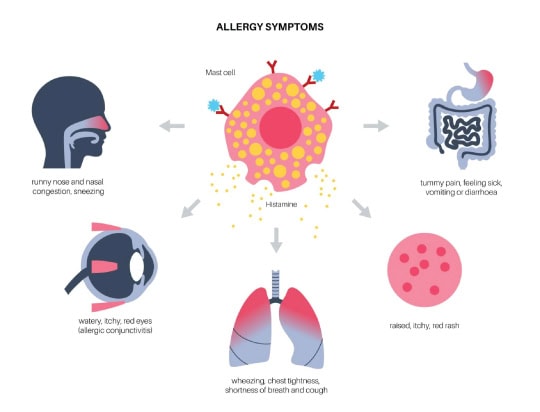
According to research, Black Seed Oil may help address the symptoms associated with allergies like sneezing, nasal congestion and a runny nose. This is because of the oil’s strong natural antihistamine properties. [11]
- Neuroprotection
The thymoquinone in Black Seed Oil shows strong neuroprotective properties.[12] Because of this, it may improve cognitive function and protect against various conditions associated with brain function, such as Alzheimer’s disease.
- Liver

Black Seed Oil has strong hepatoprotective (liver protective) qualities. [13, 14]. According to studies, it may:
- Address fatty liver disease (liver steatosis) in people suffering from non-alcoholic fatty liver disease (NAFLD)
- Improve liver enzymes and their function
- Reduce inflammation in the liver
These benefits are mainly due to the presence of thymoquinone.
- Weight Loss
According to studies, Nigella sativa seeds can help with weight loss. [15] The oil has similar benefits to the seeds. It may aid you in your weight loss journey in the following ways:
- Reduces appetite
- Boosts metabolism
- Lowers systemic inflammation
- Gut Health
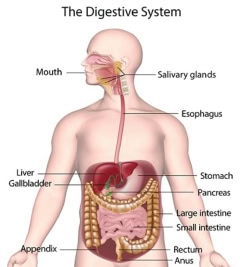
The thymoquinone in Black Seed Oil may promote gut health in several ways. [16] This is mainly due to the beneficial antioxidant, anti-inflammatory, and antimicrobial effects of the oil.
Because of these beneficial effects, the oil may:
- Help balance gut flora
- Protect the gut lining
- Help prevent irritable bowel syndrome (IBS)
- Act as a prebiotic and thus encourage proper digestion and bowel function
- Help with digestive issues that include gas, indigestion, and bloating
- Arthritis
Nigella sativa has known anti-inflammatory and antioxidant properties. These properties, according to research, may help ease the pain and inflammation associated with arthritis. [17] It works by acting on inflammatory markers and helping to protect your joints against autoimmune and degenerative damage. The beneficial properties of the oil may also reduce joint swelling and help against morning joint stiffness.
- Wound Healing
Black Seed Oil may promote wound healing in various ways. [18] This is due to its antimicrobial, anti-inflammatory, and antioxidant properties. Applied topically, the oil stimulates wound contraction, which promotes healing, helps prevent bacterial infections, and addresses inflammation that could slow down tissue repair.
- Acne

Anyone can develop acne, although it is more common in adolescents. The condition is caused by oil and dead skin cells that accumulate in hair follicles. The result is pimples, blackheads, or whiteheads. They may develop on the face, back, chest, and shoulders.
The strong anti-inflammatory and antibacterial properties of Black Seed Oil may help address acne breakouts and help to heal lesions when applied topically.
- Eczema and Psoriasis
Both these chronic inflammatory skin conditions are the result of an overactive immune response. Typical symptoms include itchy, red, scaly skin
According to research, using Black Seed Oil orally and/or topically may help address the severity of both these skin conditions. [19]
- Male Fertility
The three main causes of male infertility are a hormone imbalance, low sperm motility, and a low sperm count.
Research suggests that Black Seed Oil may help with all three issues. It may raise testosterone levels [20] and increase sperm motility and volume. [20, 21]
- Hair Health

Black Seed Oil may help promote hair and scalp health. Regarding the hair, the oil contains numerous nourishing amino acids that may prevent hair strands from splitting, lock in moisture, and promote shine.
When massaged into the scalp, the oil may help address dandruff and prevent hair fall. [22]
In Closing
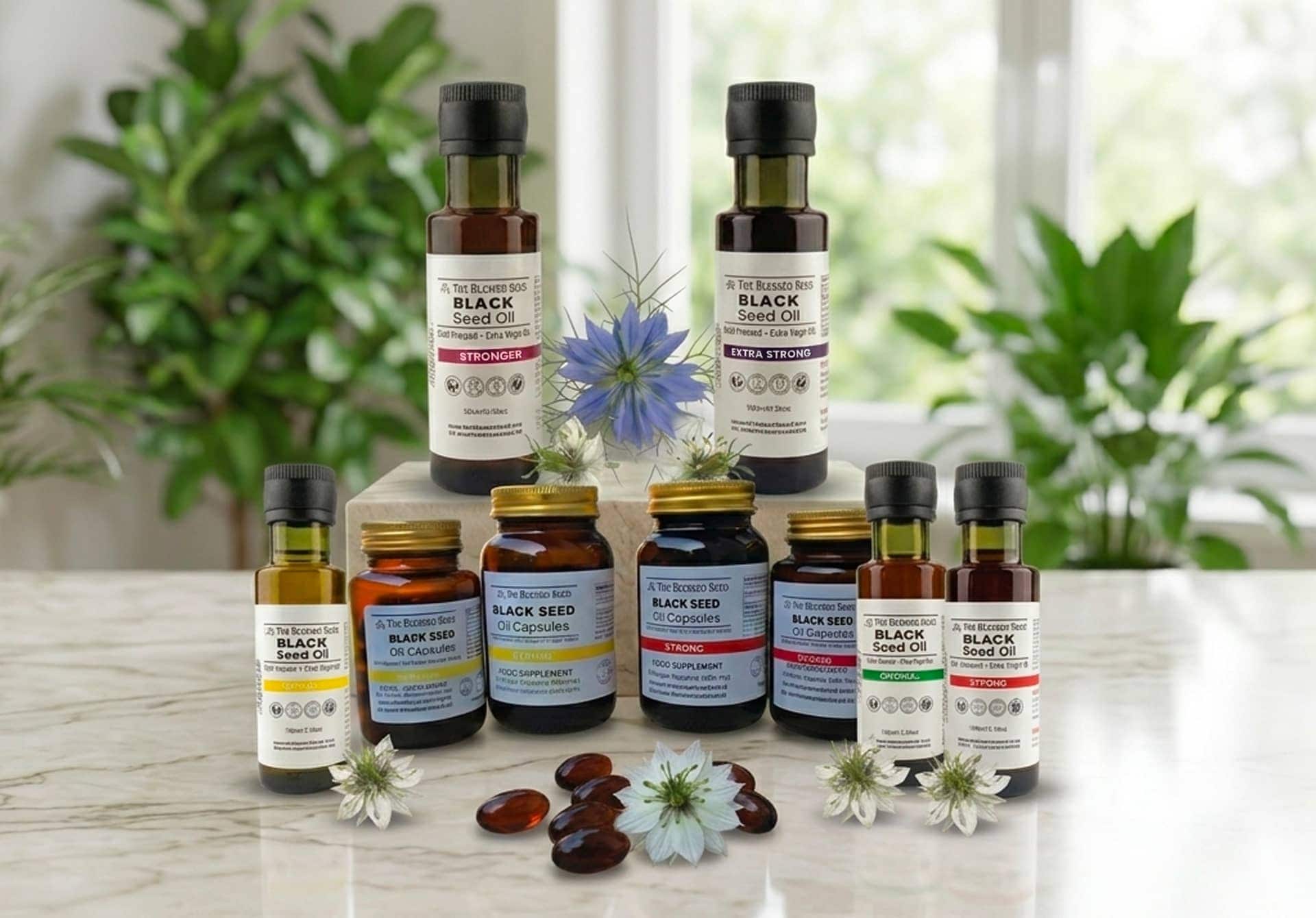
You can purchase Black Seed Oil in both liquid and capsule form. Many people prefer the capsule form for oral use because they find the taste of the oil unpalatable. For topical use, the liquid form is the way to go.
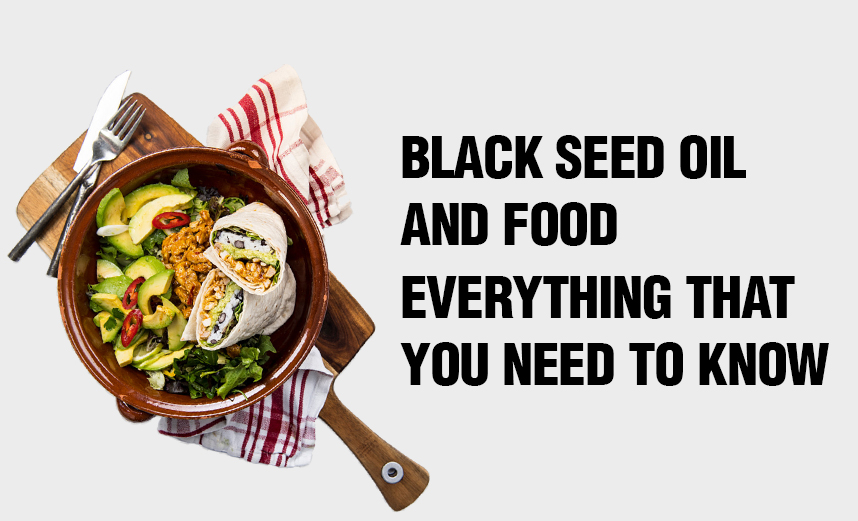
Although you can use the oil topically, many people prefer to use it together with a carrier oil. If you prefer to take the liquid form orally but have problems with the taste, you can easily add it to drinks, mix it with honey, or add it to your food to mask the taste.
References:
- Yimer EM, Tuem KB, Karim A, Ur-Rehman N, Anwar F. Nigella sativa L. (Black Cumin): A Promising Natural Remedy for Wide Range of Illnesses. Evid Based Complement Alternat Med. 2019 May 12;2019:1528635. doi: 10.1155/2019/1528635. PMID: 31214267; PMCID: PMC6535880.
- Kato, Jumba & University Researchcentre, Kampala International. (2025). The Evolution of Herbal Medicine: From Traditional Practices to Scientific Validation. 6. 10-17.
- World Health Organization: WHO. (2023, August 10). Traditional medicine has a long history of contributing to conventional medicine and continues to hold promise. https://www.who.int/news room/featurestories/detail/traditional-medicine-has-a-long-history-of-contributing-to-conventional-medicine-and-continues-tohold-promise
- Razavi BM, Hosseinzadeh H. A review of the effects of Nigella sativa L. and its constituent, thymoquinone, in metabolic syndrome. J Endocrinol Invest. 2014 Nov;37(11):1031-40. doi: 10.1007/s40618-014-0150-1. Epub 2014 Aug 15. PMID: 25125023.
- Maideen NMP, Balasubramanian R, Ramanathan S. Nigella Sativa (Black Seeds), A Potential Herb for the Pharmacotherapeutic Management of Hypertension – A Review. Curr Cardiol Rev. 2021;17(4):e230421187786. doi: 10.2174/1573403X16666201110125906. PMID: 33172379; PMCID: PMC8762160.
- Becky, & Becky. (2023, November 7). Nigella Sativa Improves Fasting Blood Glucose and Insulin Response in Subjects with Type 2 Diabetes Mellitus – Natural Health Research. Natural Health Research – Where Science Supports Wellness. https://naturalhealthresearch.org/nigella-sativa-improves-fasting-blood-glucose-and-insulin-response-insubjects-with-type-2-diabetes-mellitus/
- Bamosa AO, Kaatabi H, Lebdaa FM, Elq AM, Al-Sultanb A. Effect of Nigella sativa seeds on the glycemic control of patients with type 2 diabetes mellitus. Indian J Physiol Pharmacol. 2010 Oct-Dec;54(4):344-54. PMID: 21675032.
- Uma Maheswari K, Dilara K, Vadivel S, Johnson P, Jayaraman S. A review on hypo-cholesterolemic activity of Nigella sativa seeds and its extracts. Bioinformation. 2022 Apr 30;18(4):343-348. doi: 10.6026/97320630018343. PMID: 36909699; PMCID: PMC9997490.
- Wei J, Wang B, Chen Y, Wang Q, Ahmed AF, Zhang Y, Kang W. The Immunomodulatory Effects of Active Ingredients From Nigella sativa in RAW264.7 Cells Through NF-κB/MAPK Signaling Pathways. Front Nutr. 2022 May 31;9:899797. doi: 10.3389/fnut.2022.899797. PMID: 35711536; PMCID: PMC9194833.
- Koshak A, Koshak E, Heinrich M. Medicinal benefits of Nigella sativa in bronchial asthma: A literature review. Saudi Pharm J. 2017 Dec;25(8):1130-1136. doi: 10.1016/j.jsps.2017.07.002. Epub 2017 Jul 11. PMID: 30166900; PMCID: PMC6111118.
- Kalus U, Pruss A, Bystron J, Jurecka M, Smekalova A, Lichius JJ, Kiesewetter H. Effect of Nigella sativa (black seed) on subjective feeling in patients with allergic diseases. Phytother Res. 2003 Dec;17(10):1209-14. doi: 10.1002/ptr.1356. PMID: 14669258.
- Beheshti F, Khazaei M, Hosseini M. Neuropharmacological effects of Nigella sativa. Avicenna J Phytomed. 2016 JanFeb;6(1):104-16. PMID: 27247928; PMCID: PMC4884225.
- Azizi N, Amini MR, Djafarian K, Shab-Bidar S. The Effects of Nigella sativa Supplementation on Liver Enzymes Levels: a Systematic Review and Meta-analysis of Randomized Controlled Trials. Clin Nutr Res. 2021 Jan 29;10(1):72-82. doi: 10.7762/cnr.2021.10.1.72. PMID: 33564654; PMCID: PMC7850820.
- Mollazadeh H, Hosseinzadeh H. The protective effect of Nigella sativa against liver injury: a review. Iran J Basic Med Sci. 2014 Dec;17(12):958-66. PMID: 25859299; PMCID: PMC4387231.
- Al Asoom L. Is Nigella sativa an Effective Bodyweight Lowering Agent and a Mitigator of Obesity Risk? A Literature Review. Vasc Health Risk Manag. 2022 Jul 12;18:495-505. doi: 10.2147/VHRM.S373702. PMID: 35855753; PMCID: PMC9288173.
- Shakeri F, Gholamnezhad Z, Mégarbane B, Rezaee R, Boskabady MH. Gastrointestinal effects of Nigella sativa and its main constituent, thymoquinone: a review. Avicenna J Phytomed. 2016 Jan-Feb;6(1):9-20. PMID: 27247918; PMCID: PMC4884214.
- Hadi V, Kheirouri S, Alizadeh M, Khabbazi A, Hosseini H. Effects of Nigella sativa oil extract on inflammatory cytokine response and oxidative stress status in patients with rheumatoid arthritis: a randomized, double-blind, placebocontrolled clinical trial. Avicenna J Phytomed. 2016 Jan-Feb;6(1):34-43. PMID: 27247920; PMCID: PMC4884216.
- Kmail A, Said O, Saad B. How Thymoquinone from Nigella sativa Accelerates Wound Healing through Multiple Mechanisms and Targets. Curr Issues Mol Biol. 2023 Nov 13;45(11):9039-9059. doi: 10.3390/cimb45110567. PMID: 37998744; PMCID: PMC10670084.
- Nasiri N, Ilaghi Nezhad M, Sharififar F, Khazaneha M, Najafzadeh MJ, Mohamadi N. The Therapeutic Effects of Nigella sativa on Skin Disease: A Systematic Review and Meta-Analysis of Randomized Controlled Trials. Evid Based Complement Alternat Med. 2022 Dec 5;2022:7993579. doi: 10.1155/2022/7993579. PMID: 36518853; PMCID: PMC9744621.
- Cho Ping N, Hashim NH, Hasan Adli DS. Effects of Nigella sativa (Habbatus sauda) Oil and Nicotine Chronic Treatments on Sperm Parameters and Testis Histological Features of Rats. Evid Based Complement Alternat Med. 2014;2014:218293. doi: 10.1155/2014/218293. Epub 2014 May 21. PMID: 24982686; PMCID: PMC4055420.
- Kolahdooz M, Nasri S, Modarres SZ, Kianbakht S, Huseini HF. Effects of Nigella sativa L. seed oil on abnormal semen quality in infertile men: a randomized, double-blind, placebo-controlled clinical trial. Phytomedicine. 2014 May 15;21(6):901-5. doi: 10.1016/j.phymed.2014.02.006. Epub 2014 Mar 25. PMID: 24680621.
- Sawarkar, Sudhir & Deshmukh, V & Verma, Hirday. (2016). Nigella sativa seed, a novel beauty care ingredient: A review. International Journal of Pharmaceutical Sciences and Research. 7. 3185-3196. 10.13040/IJPSR.0975- 8232.7(8).3185-96.