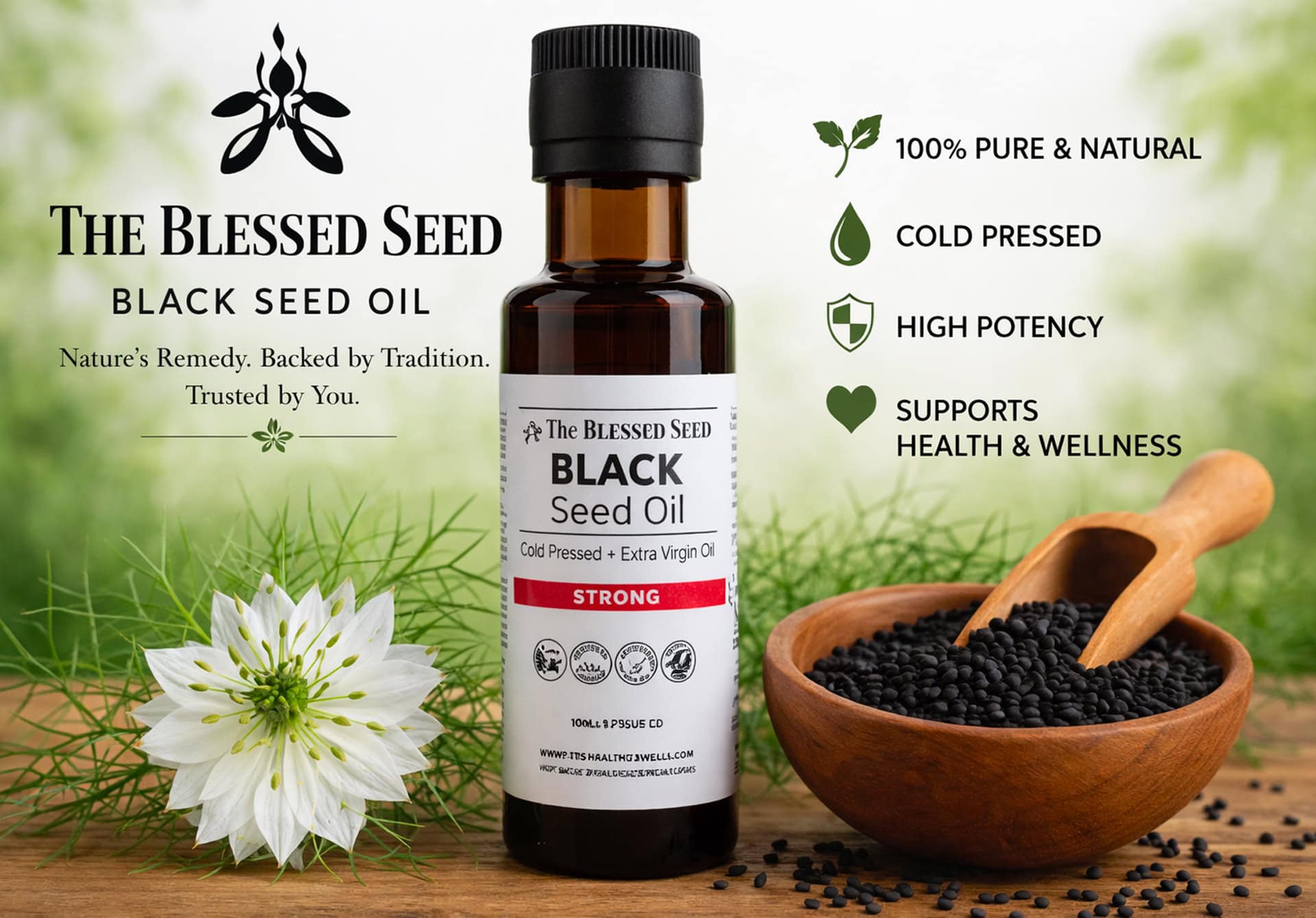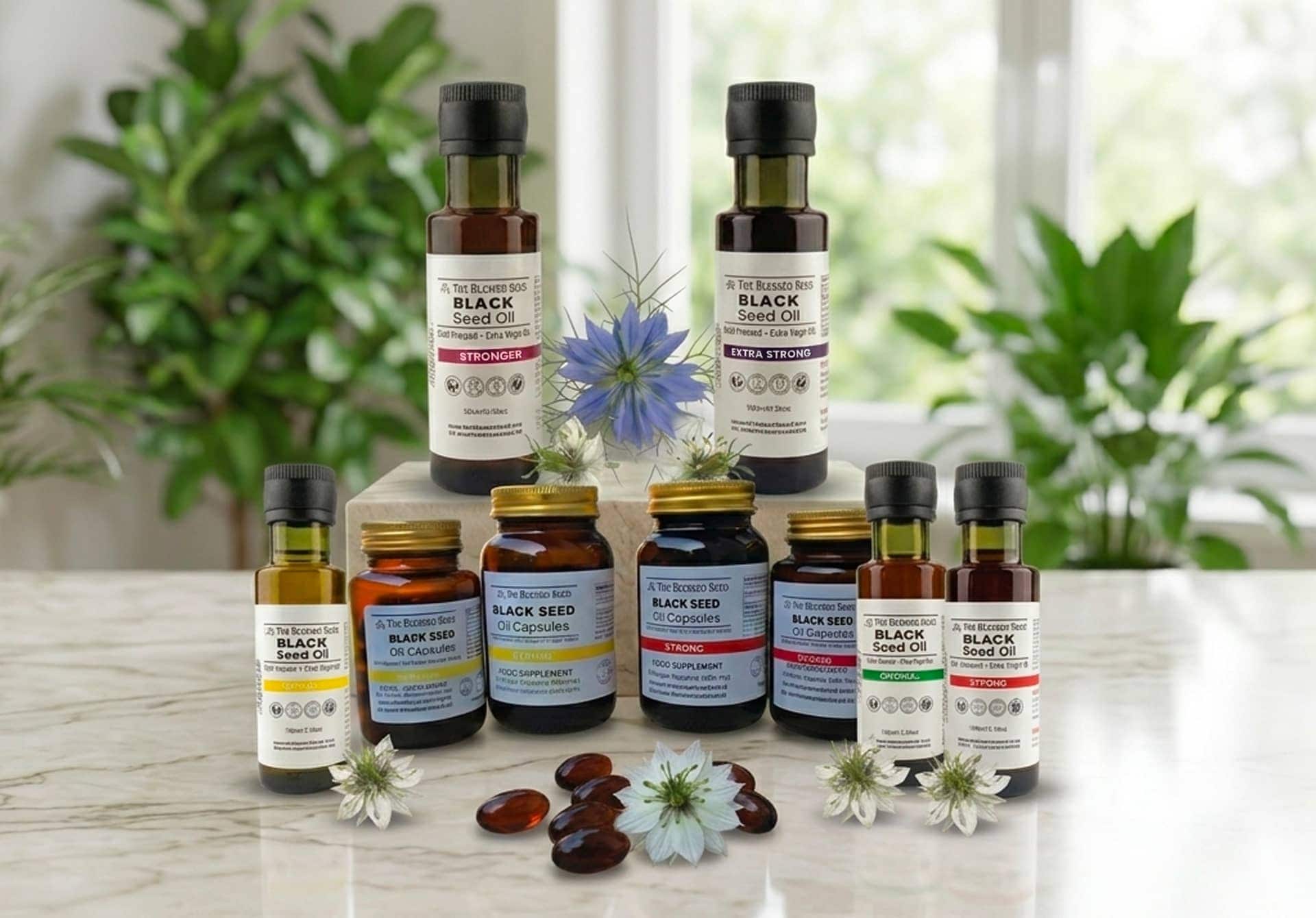
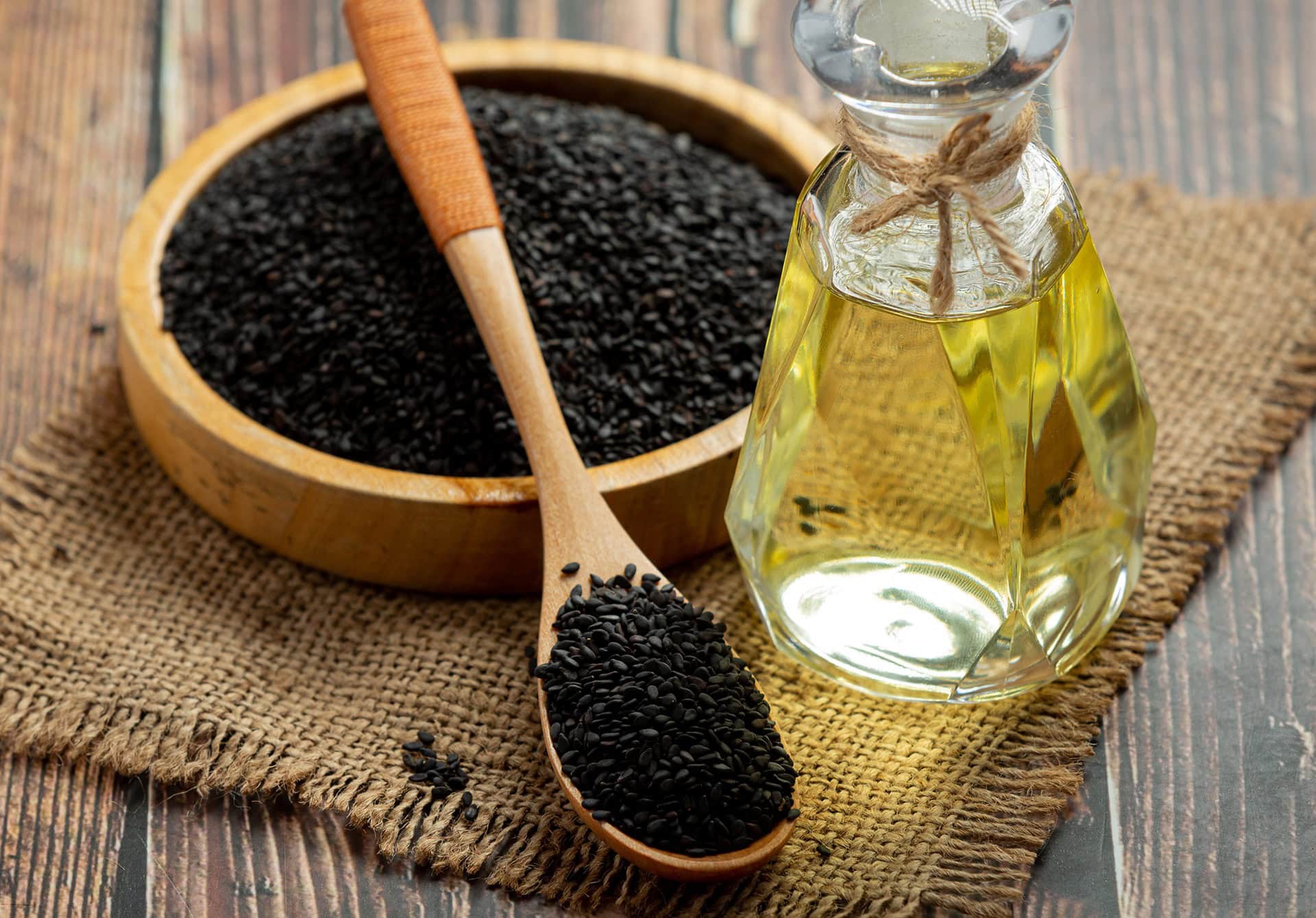
Extracted from the seeds of the Nigella sativa plant, Black Seed oil has, for centuries, been used in traditional medicine for its many and varied health benefits. Modern research is increasingly proving practitioners of traditional medicine right, as numerous studies on the benefits of the seeds and the oil extracted have come to light. Interestingly, studies show that the volatile oil content is a major factor in the oil’s efficacy.
What Is Black Seed Oil?
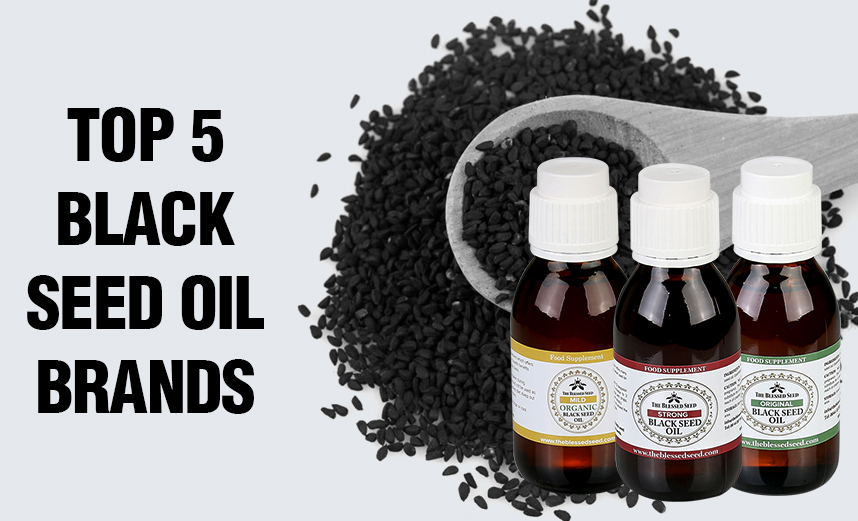
Black Seed Oil is an oil extracted from the seeds of the Nigella sativa plant. While these seeds give the oil a distinctive taste popular in Middle Eastern and South Asian cuisine, it is their medicinal properties that have gained global attention.
The Importance of the Extraction Process
The extraction process determines the oil’s volatility. While factors like climate, geography, and seed quality matter, the cold-pressed extraction method is the gold standard for preserving potency.
Factors That Influence Volatility
In the world of natural supplements, volatility is an indicator of potency and quality. * Higher Volatile Content: Indicates a more powerful oil capable of supporting the body’s natural functions.
- Production Rigor: High volatility suggests the oil has undergone strict production and storage to prevent degradation.
- Protection from Light: Bioactive compounds like Thymoquinone are sensitive to heat and light. This is why premium Black Seed Oil is always sold in dark amber glass bottles.
Why Black Seed Oil Volatility Matters
Approximately 40% of the Nigella sativa seed consists of oil, primarily containing linoleic acid and oleic acid. However, the oil’s true effectiveness comes from its bioactive compounds.
Key Stat: The potency of Black Seed Oil is measured by its Thymoquinone (TQ) concentration. Oils with a TQ level of 1.5% – 2% or higher are considered exceptionally strong and ideal for therapeutic use.
The “Big Three” Volatile Compounds:
- Thymoquinone: Renowned for anti-inflammatory and antioxidant properties.
- Thymohydroquinone: A natural acetylcholinesterase inhibitor that also offers antifungal benefits.
- Thymol: Provides a wide range of antibacterial and respiratory support benefits.
How Black Seed Oil Works in the Body
Black Seed Oil is lipophilic (fat-loving). This unique characteristic allows its bioactive compounds to easily permeate cell membranes. By entering the cells efficiently, these compounds work at a molecular level to support the body’s natural healing processes.
How to Choose the Right Black Seed Oil
Before you buy, check the label for these three quality markers:
- Volatile Content: Look for at least 1% or higher.
- Thymoquinone (TQ) Levels: Aim for 1.5% to 2% (or up to 4% for extra-strength variants).
- Purity: Ensure it is Cold-Pressed and Organic to guarantee no chemicals or high heat were used during extraction.
Pro Tip: High-potency oil should have a strong, pungent smell and a slightly bitter taste. If it tastes bland, the volatile compounds may have oxidized.
Dosage Guidelines & Safety
We recommend starting slowly to allow your body to adjust to the oil’s potency.
| Group | Recommended Dosage |
| Adults | Follow package instructions; build up gradually. |
| Children (5–11) | Half the adult dosage, built up incrementally. |
| Children (Under 5) | Start with one drop (Strong oil is NOT recommended for this age). |
Note: If you are taking medication for blood pressure, diabetes, or anticoagulants, consult your doctor before use.
In Closing
From ancient traditional practices to modern clinical studies, Black Seed Oil remains one of nature’s most revered supplements. By choosing an oil with high volatility and TQ levels, you ensure your body receives the full spectrum of wellness-supporting benefits this “blessed seed” has to offer.
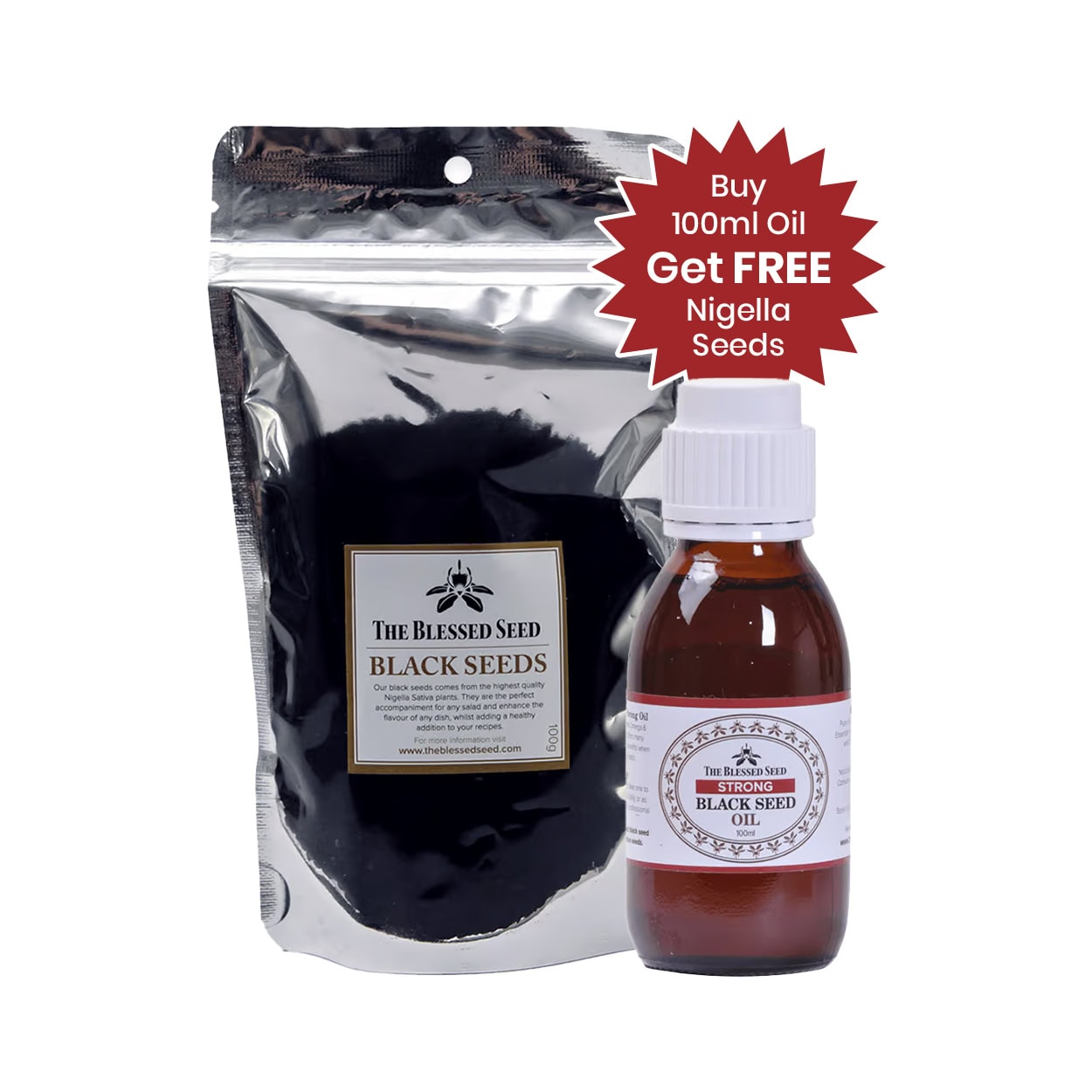
Ready to Experience High-Potency Black Seed Oil?
References
- Arshad, M. T., et al. (2025). Functional properties of black seed. Food Science & Nutrition.
- Kabir, Y., et al. (2020). Volatile compounds of black cumin. Heliyon.
- Khader, M., & Eckl, P. M. (2014). Thymoquinone: An emerging natural drug. PMC.
- Meeran, M. F. N., et al. (2017). Pharmacological properties of thymol. Frontiers in Pharmacology.
Disclaimer: These statements have not been evaluated by the FDA. This product is not intended to diagnose, treat, cure, or prevent any disease.